
Mar 16 2026 01:00
🚗 What to Expect If You’re Involved in a Car Accident: A Practical Insurance Guide for New York & Florida Drivers
A car accident can leave you feeling shaken, overwhelmed, and unsure of what to do next. Whether you’re driving the busy roads of Long Island, navigating I‑95 in Florida, or anywhere in between, knowing what to expect from the insurance process can make a stressful situation much easier to manage.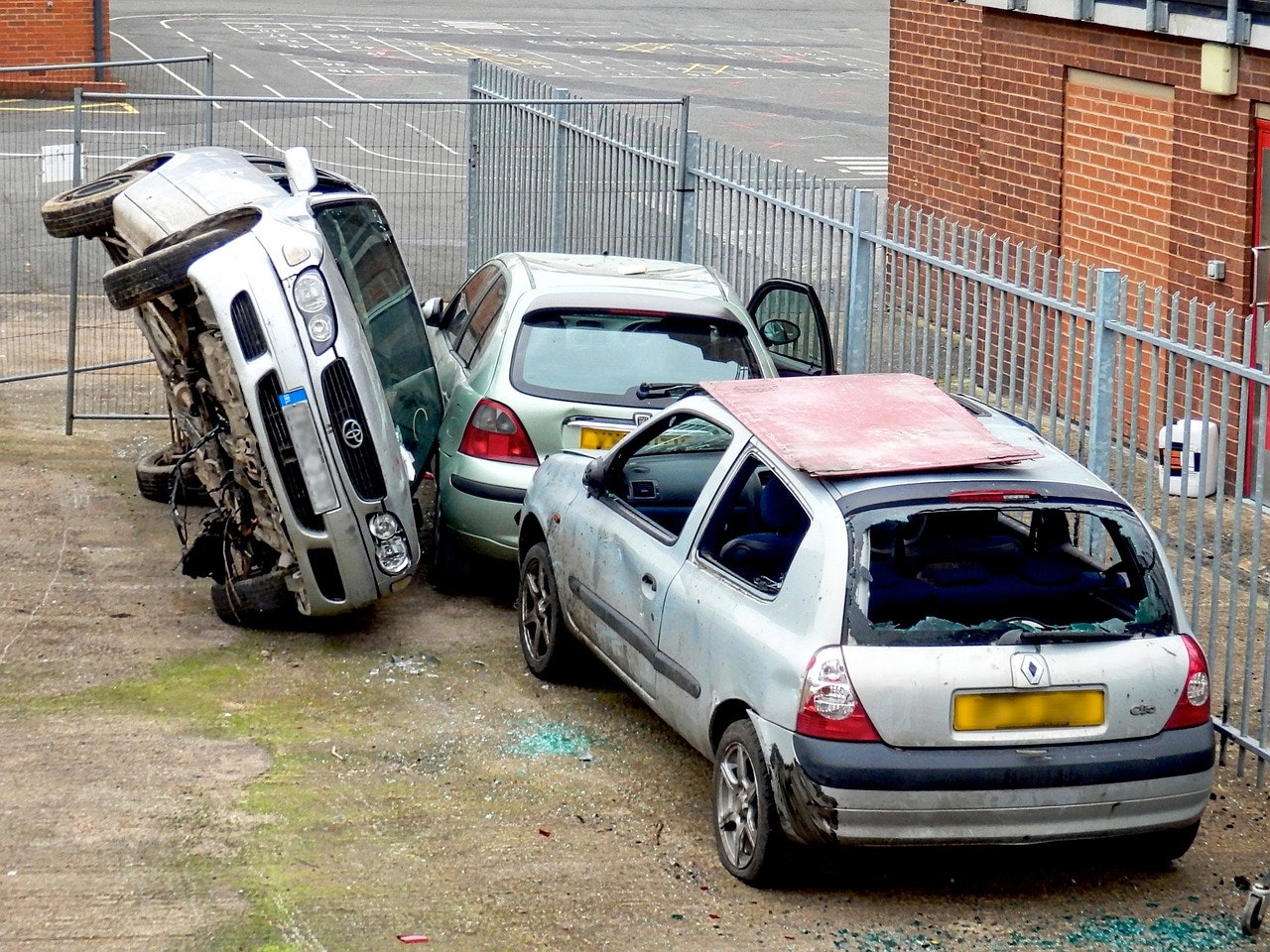
This guide breaks down exactly what happens after a collision and how your auto insurance steps in no matter where you are in New York or Florida.
1. Safety Comes First
Always check for injuries and call 911 if needed. Both New York and Florida encourage drivers to document the scene for any accident photos of damage, road conditions, and the other vehicle(s) will help support your claim later.
2. File a Police Report (Highly Recommended)
Even in minor accidents, a police report provides an official record of what happened. In New York, a report is required if injuries occur or damage exceeds $1,000. In Florida, filing a report is required if injury, death, or major damage occurs. When in doubt, call law enforcement.
3. Contact Your Insurance Carrier Quickly
Once everyone is safe, notify your insurance carrier as soon as possible. They will ask for details such as:
- Location of the accident
- Photos and documentation
- Other driver’s insurance information
- A copy of the police report (once available)
Even if you're unsure whether you should file a claim, your broker or agent can help you decide.
4. Understanding Fault: New York vs. Florida
New York: A No‑Fault State with Nuances
New York uses a no fault system for medical expenses, meaning your own insurance pays for your injuries regardless of fault. However, property damage and liability still depend on who caused the accident.
Florida: Also No Fault, but With Lower PIP Requirements
Florida requires Personal Injury Protection (PIP), but with lower minimum limits than New York. This can leave drivers underinsured without realizing it. If injuries exceed PIP limits, fault becomes even more important.
5. Your Car Insurance Typically Follows the Vehicle
Across both states, the insurance policy covering the car generally pays first meaning claims are filed under the vehicle owner’s policy, even if a friend borrowed your car.
6. Expect the Adjuster to Review Damage
An insurance adjuster will:
- Inspect the damage to your vehicle
- Estimate repair costs
- Review the other party’s information
- Determine liability (if applicable)
This step may happen at a shop, at your home, or virtually depending on your carrier’s process.
7. Repairs, Rentals, and Deductibles
If you have collision coverage, your insurer pays for damages to your car minus your deductible. If the other driver was at fault and insured, your insurer may seek reimbursement (subrogation).
If you have rental coverage, the insurer will help with a temporary vehicle while yours is being repaired.
8. Potential Rate Changes
Your rates may increase after an at-fault accident because the claim is attached to your policy. Even in no-fault states, certain types of claims can still impact premiums.
9. Why It Helps to Have an Independent Insurance Broker
Navigating the claims process can be confusing. An independent broker like The Michaels Group advocates for you, explains your coverage, and helps ensure you’re not overpaying or missing discounts.
Get a Free Quote or Coverage Review
If you want to make sure you’re properly protected or if you’ve recently been in an accident The Michaels Group can help.
Call us today for a free quote:
- Florida: 386‑274‑8150
- New York:(631) 629‑2233
We’re an independent, technology‑forward insurance agency serving New York and Florida here to simplify the process, compare carriers, and help you protect what matters most.